


Haematology Laboratory
Specialised Haematology Laboratory Services: Trusted Diagnostics from Eurofins Biomnis Ireland
What is Haematology?
Haematology is the branch of laboratory medicine focused on the study of blood, bone marrow, and the body’s clotting system.
At Eurofins Biomnis, our specialised Haematology Laboratory delivers accurate, timely, and clinically meaningful results to support the diagnosis, monitoring, and management of a wide range of conditions, from anaemia and clotting disorders to complex haematological malignancies such as leukaemia and lymphoma.
The Increasing importance of Haematology Laboratories in Ireland
Blood cancers are responsible for 10% of all new cancer diagnoses and over 8% of cancer deaths every year in Ireland. Approx. 2,400 people are diagnosed with blood cancer each year in Ireland, with this number set to increase to over 3,000 new cases annually by 2030. Although almost all haematological malignancy types can be diagnosed at any age, the majority are diagnosed in adults with incidence increasing with age. Male incidence rates are 56% greater than that of females.
Accredited Medical Testing in Haematology
We are a long-standing private laboratory in Ireland, accredited ISO 15189 by the Irish National Accreditation Board (INAB), providing a vastly experienced and quality Haematology testing service to Irish Public & Private hospitals, clinics and GP’s.
Meet the Eurofins Biomnis Haematology Team

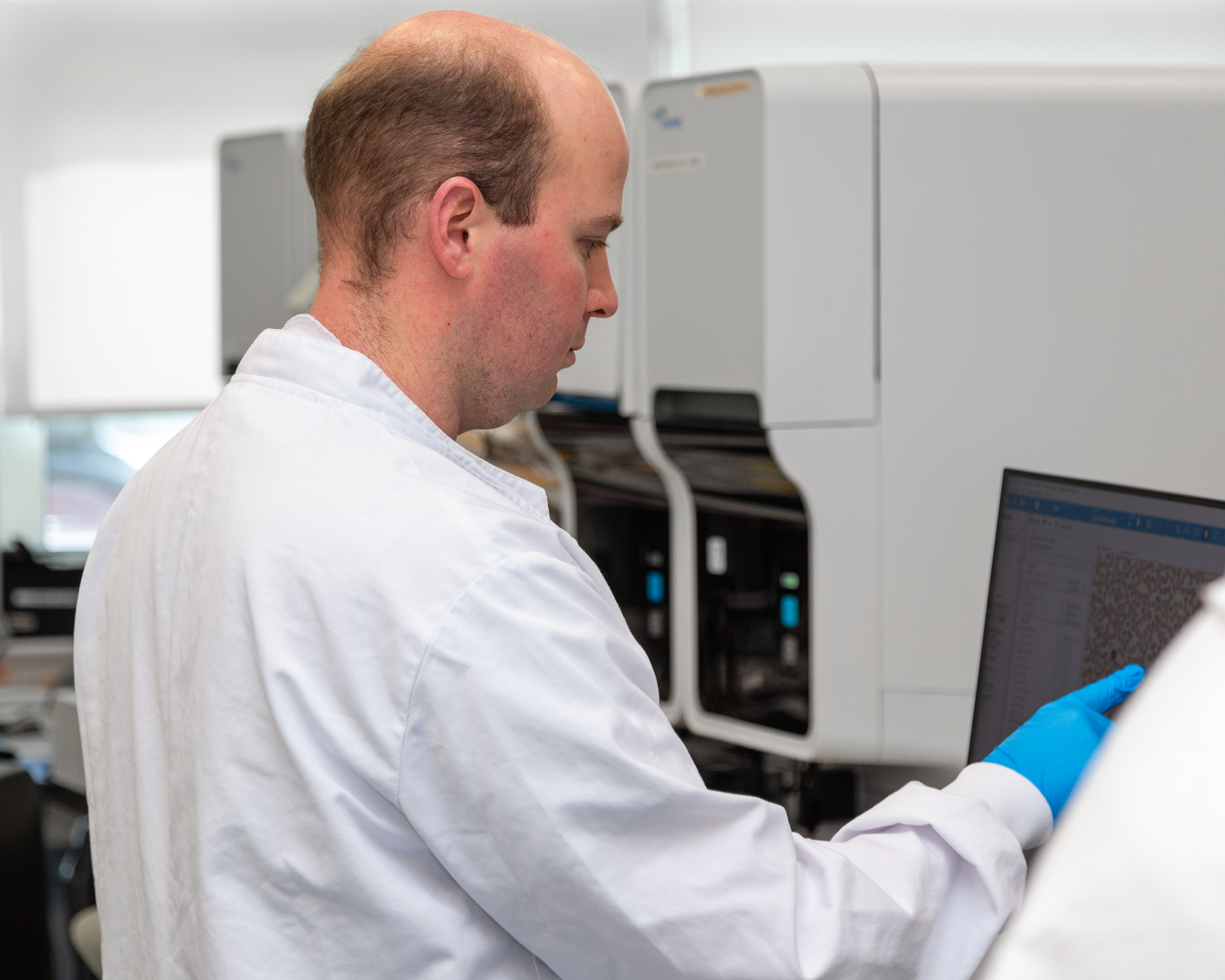
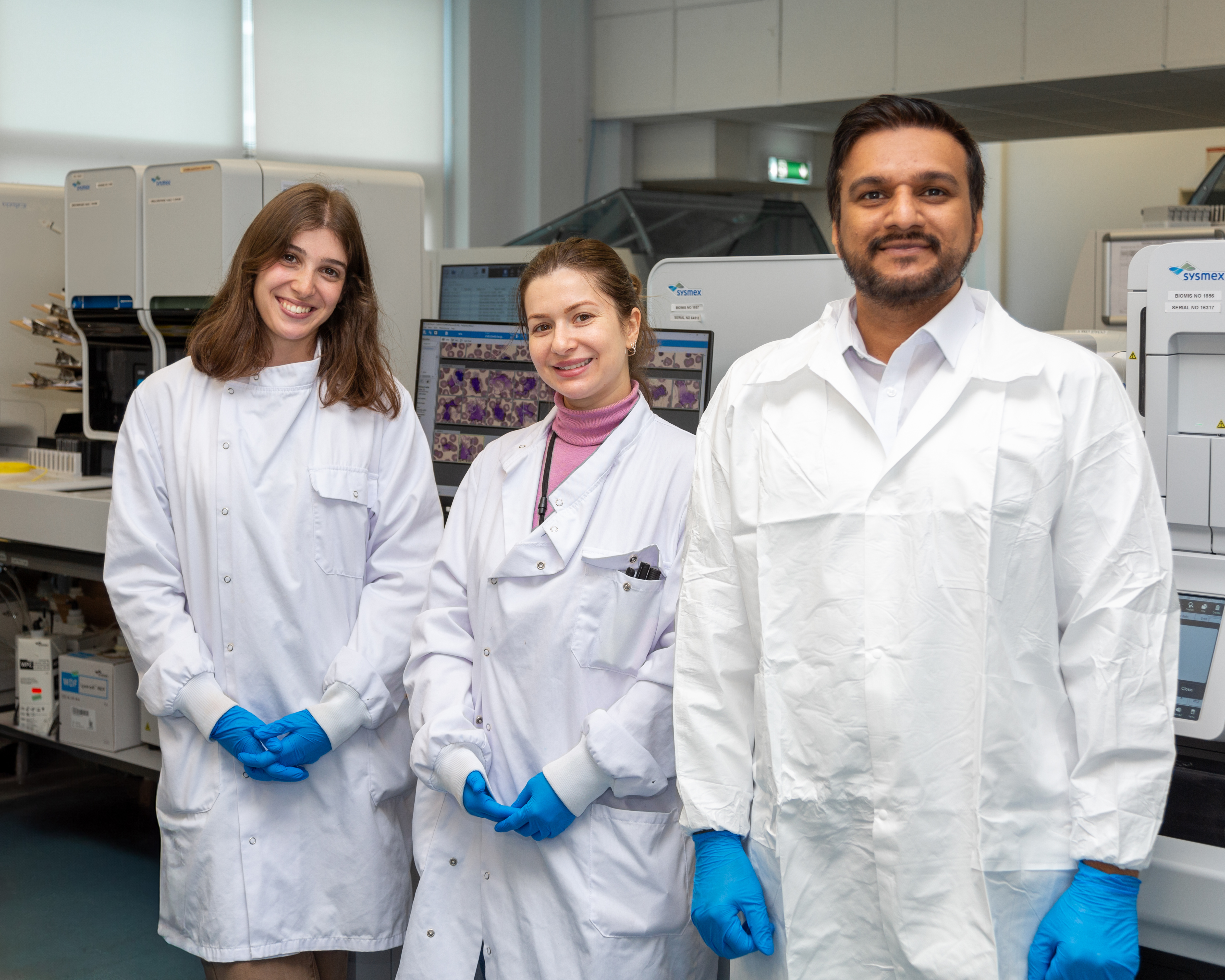
Our Haematology Department is led by a group of dedicated professionals, Consultant Haematologists Dr Patrick Hayden, Dr Áine Burke, and Dr Jeremy Sargent, working alongside our Chief Biomedical Scientist, Shehzada Abdullah, and a skilled team of Senior Medical Scientists, Laboratory Technicians, and Laboratory Aides.
Shehzada Abdullah is a dedicated and forward-thinking scientist with a career spanning the leading NHS hospitals in the UK and advanced diagnostic laboratories in Ireland. Renowned for his commitment to innovation and excellence in laboratory medicine, he has spearheaded initiatives in automation, digital quality systems, and AI-powered haematology analytics, advancing patient care through every test.

Eurofins Investing in Technology
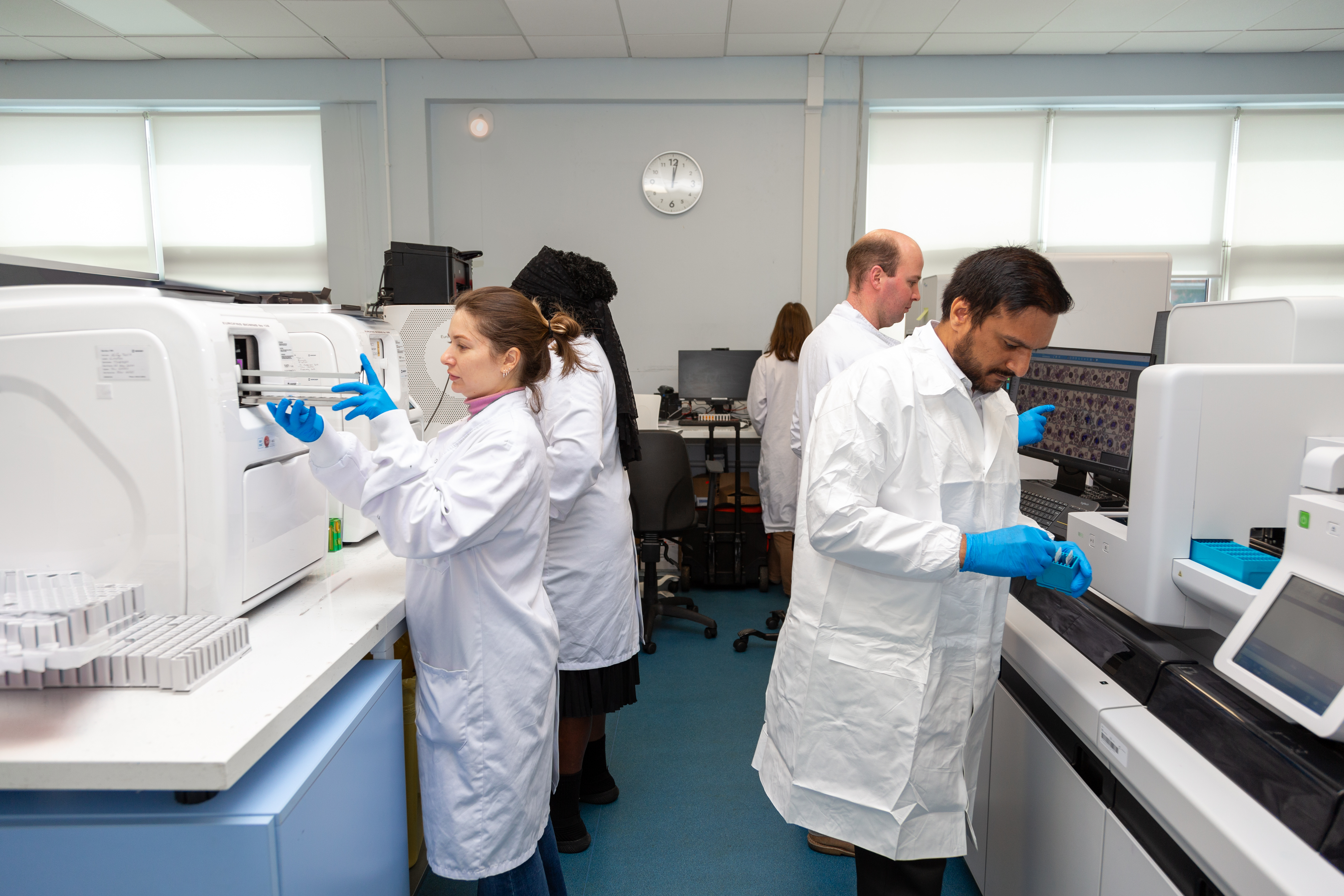
Image 1: Sysmex ? & ?
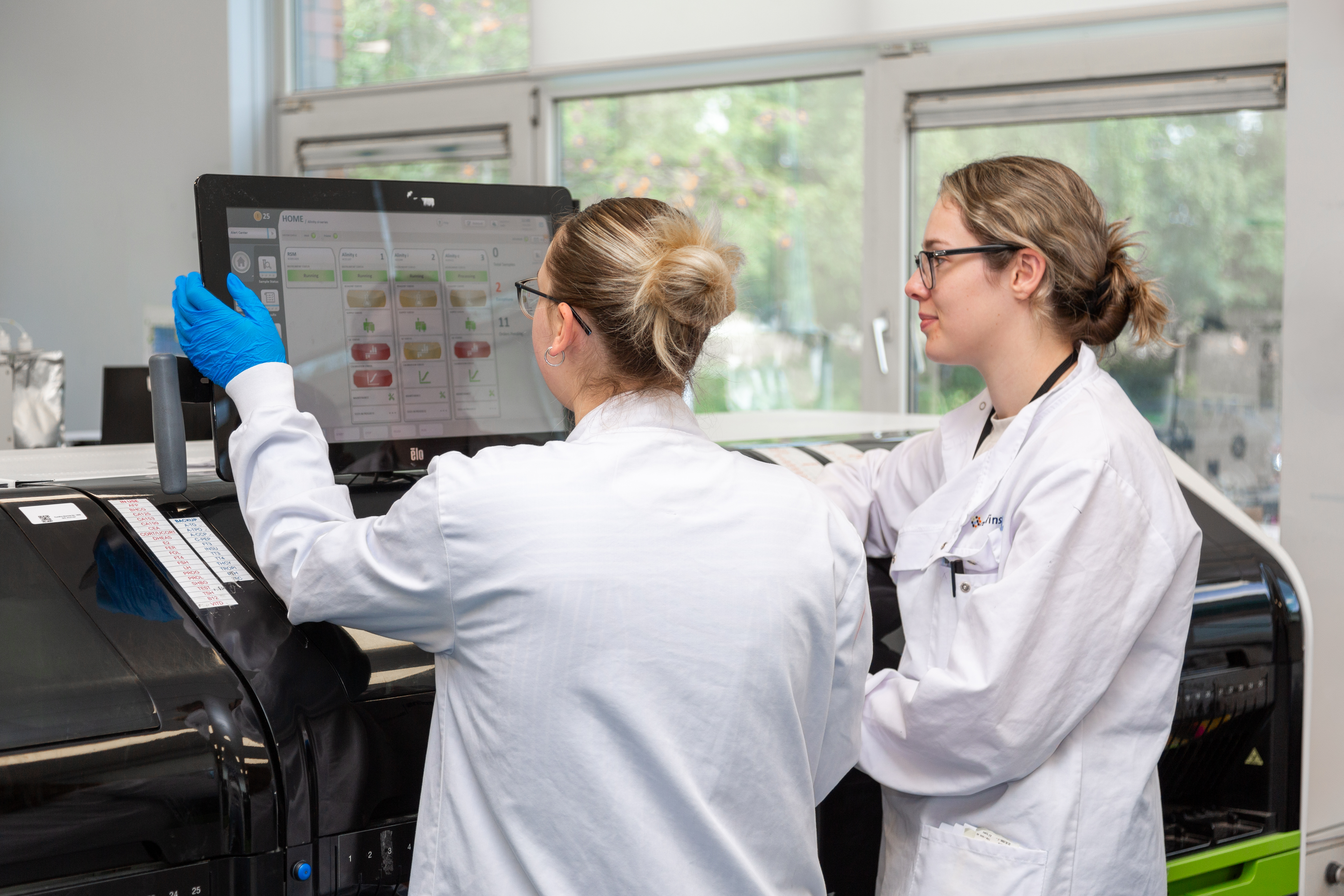
Image 2: is this your team Shez?

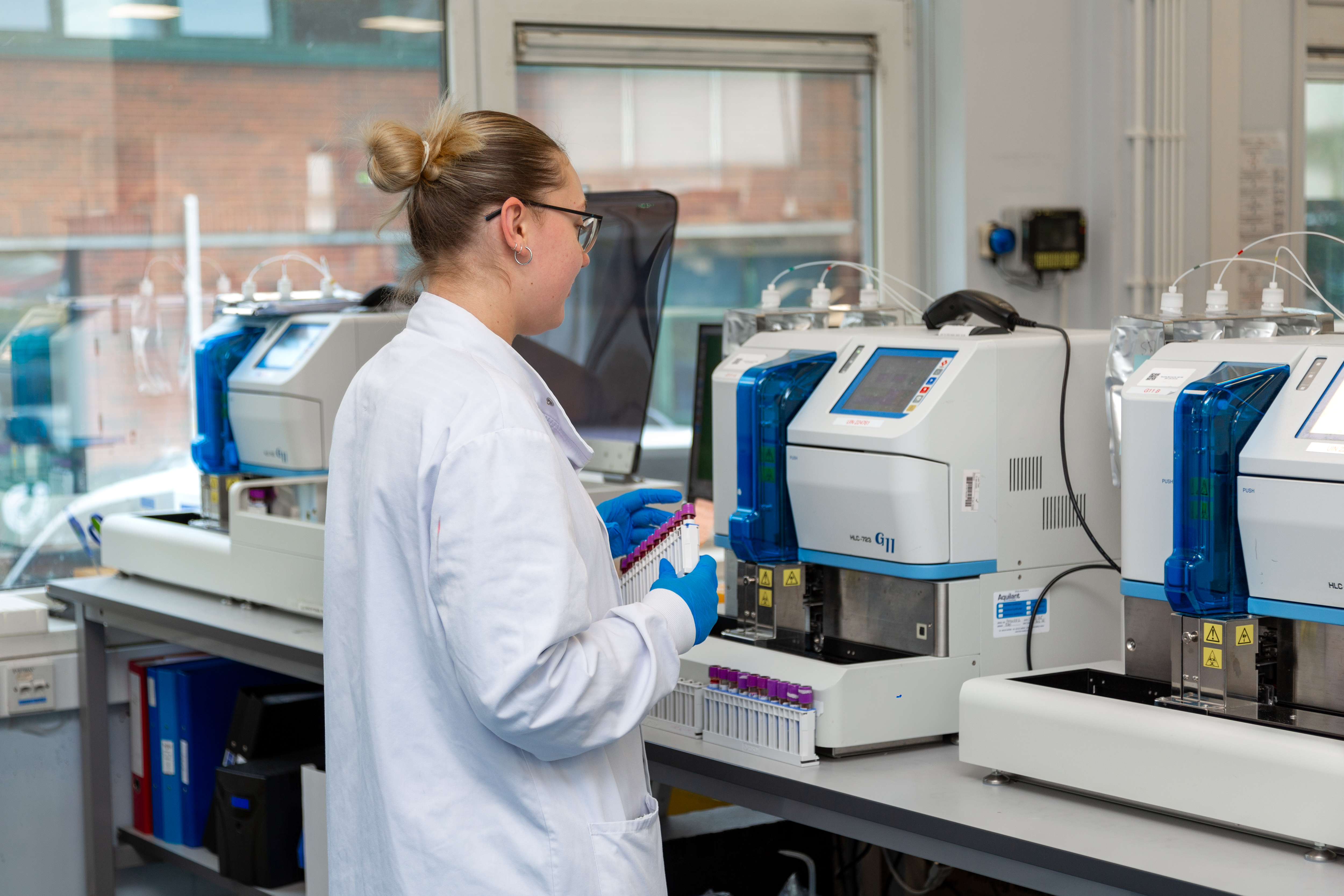
Image 3: ?
Our laboratory is equipped to support both high-volume routine testing and detailed cellular analysis, providing a complete and accurate picture of each patient’s haematological health.
We operate a comprehensive suite of diagnostic platforms, including Sysmex XN-2000 analysers, the Sysmex SP-50, CellaVision – for digital morphology, Stago STA Compact Max coagulation systems, and the Alifax analyser.
Recent investments have expanded our digital and molecular capability, including enhanced remote morphology review, upgraded data analysis, and improved middleware connectivity for faster, more traceable reporting.
We also perform a range of molecular haematology tests using real-time PCR, Next Generation Sequencing (NGS), and other advanced molecular techniques. These assays support the investigation of genetic abnormalities, acute leukaemia markers, myeloid mutations, and inherited blood disorders.
By combining smart automation with the expertise of our medical scientists and pathologists, we deliver results that guide critical decisions, from routine anaemia screening to complex blood disorders and molecular testing for haematological malignancies.
Our Haematology Services
Full Blood Count (FBC) with Automated and Expert Blood Film Review
At Eurofins Biomnis Ireland, blood film review is automatically requested based on FBC result criteria.
The Full Blood Count (FBC) is the cornerstone of haematology diagnostics, focusing on the cellular composition and specific characteristics of erythrocytes (red cells), leukocytes (white cells), and platelets. Test results may provide insights into various clinical conditions, including anaemia, inflammatory response, specific neoplasms and bone marrow related disorders.
Expert Blood Film Review: Despite advances in automation, a manual blood film review remains vital in the differential diagnosis of patients presenting with haematological abnormalities which cannot be detected through routine automated methods. For example-
- Identifying subtle morphological abnormalities (e.g., dysplastic or atypical cells) or schistocytes in microangiopathic haemolytic anaemia
- Ruling out spurious results caused by pre-analytical artefacts (e.g., platelet clumping leading to false thrombocytopenia).
Reticulocytes are not part of the full blood count, so they need to be specifically requested. Reticulocytes are immature red blood cell, present in normal blood in very low numbers, increased numbers are maybe the product of a pathological process or could be the body’s response to pregnancy, therapy with iron B12, or folate or to blood loss
Coagulation and Haemostasis Testing
Disorders of the clotting system require precise and rapid analysis. Our Haemostasis section offers a critical range of tests to assess bleeding disorders and thrombotic risk. We perform 4 tests in-house:-
- D-Dimer: An essential marker for investigating and ruling out Venous Thromboembolism (VTE), including Deep Vein Thrombosis (DVT) and Pulmonary Embolism (PE).
- Prothrombin Time (PT) and Activated Partial Thromboplastin Time (APTT): measures how long blood takes to clot and is used to monitor blood-thinning therapy, assess bleeding or clotting disorders, check liver function, and evaluate blood clotting ability before surgery.
- Fibrinogen: helps to diagnose and monitor bleeding or clotting disorders (often via the Clauss method).
Specialised Haematology Diagnostics
We offer a range of esoteric and cutting-edge tests to investigate complex haematological conditions:
- Haemoglobinopathies: Testing for disorders like Thalassaemia and Sickle Cell Disease (available through our international network).
- Erythrocyte Sedimentation Rate (ESR): A traditional, non-specific measure of inflammation and a useful screen for occult disease, including certain malignancies.
- Blood Parasitology: Investigation for blood parasites such as Malaria, Microfilariae, and Trypanosomes.
- Infectious Mononucleosis (Glandular Fever) Screen: Rapid testing for this common viral condition
Resources
Visit our Primary Sample Manual, a searchable PDF file, with complete details of tests offered by our haematology laboratory.
Contact: If you would us to discuss our testing in greater detail or get a quotation, contact sales@ctie.eurofinseu.com
References
- National Cancer Registry Ireland, Haematological Malignancies, Cancer Trends Report 2024