Gastroenterology Testing
Gastroenterology Diagnostic Solutions from Eurofins Biomnis Ireland
Eurofins Biomnis Ireland is a leading independent provider of medical laboratory testing in Ireland, assisting Gastroenterologists and GPs in the diagnosis, monitoring and prevention of a wide range of gastrointestinal (GI) conditions. There are many challenges to the GI tract, especially as we age, and we will outline these below along with our diagnostic solutions, including health screening and genetic testing.
Eurofins Biomnis is accredited to the ISO 15189:2022 Medical Testing Standard.
Over a lifetime, a person consumes between 30 and 60 tonnes of food — a remarkable workload for the gut. The GI tract is a complex and finely tuned system, but it can malfunction. Eurofins Biomnis provide targeted tests for each area of the gut. The following page will address;-
- Digestion and Absorption Health Issues
- Protection from harmful external Organisms & Toxins
- Food Allergies and Intolerances
- Gut Inflammation
- The Gut Microbiome
- Genetics and Hereditary GI Disorders
- Health Screens to detect colon cancer in early stage

Digestion & Absorption Health Issues
Stomach acid not only helps to breakdown protein into amino acids but protects against pathogenic organisms and food antigens. Hypochlorhydria is associated with increased risk of Helicobacter Pylori, Small Intestinal Bowel Overgrowth (SIBO), an increase in proximal small intestinal pH and decreased secretion of Intrinsic Factor, needed to absorb B12.
Helicobacter Pylori is a public health issue affecting 25-30% of people in Ireland. It is associated with significant disease and is the main cause of stomach ulcers and stomach cancer.
Adequate amounts of specific digestive enzymes are required to digest food.
Pancreatic secretions can decrease with age and are adversely affected by Pancreatitis, Cystic Fibrosis, Diabetes, Gallstones and Inflammation.
Normal levels of pancreatic elastase in the stool indicate an optimally working pancreas. However, abnormal values of elastase point towards a pancreatic abnormality.
Adequate bile secretion is also essential, we can measure conjugated (direct) bilirubin levels, which can indicate liver or bile duct problems.
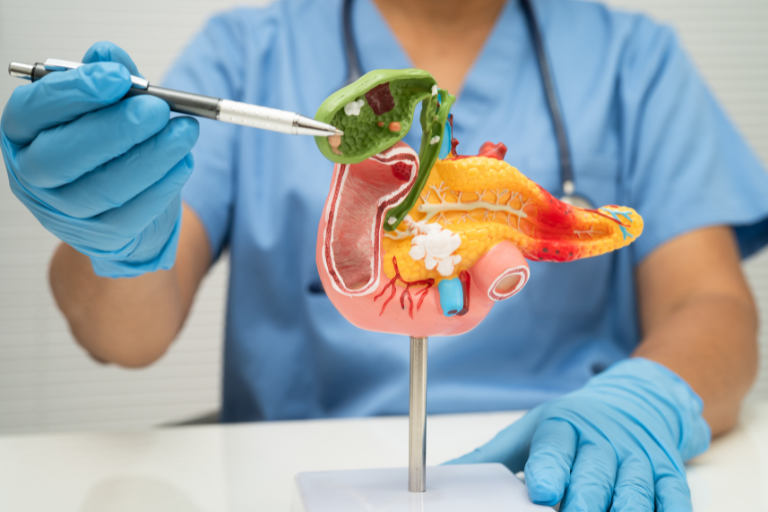
Gut dysbiosis has been identified as an important factor in the pathogenesis of liver diseases.
Diagnostic Solutions to test Digestion, Absorption & Sufficiency
|
The Test |
Test Code |
Accreditation |
Laboratory |
More Information |
|
Helicobacter Pylori in Stool |
HPAGS |
Accredited |
Eurofins Biomnis Ireland |
|
|
Helicobacter Pylori in Breath |
FA294 |
Accredited |
Eurofins Biomnis France |
|
|
Helicobacter Pylori antibodies in serum |
HPAB
|
Accredited |
Eurofins Biomnis France |
|
|
Faecal Pancreatic Elastase |
ELAST |
Accredited |
Eurofins Biomnis France |
|
|
Small Intestinal Bowel Overgrowth (SIBO) test |
N/A |
N/A |
In clinic test -with consultant or clinic |
|
|
Lactose Intolerance test (Self-test kit Genetic) |
NN10 |
Not Accredited |
Eurofins Genoma |
|
|
Vitamin B12 |
B12 |
Accredited |
Eurofins Biomnis Ireland |
|
|
Anti-Intrinsic Factor Antibodies |
IFAB |
Accredited |
Eurofins Biomnis Ireland |
|
|
Anti-Parietal Cell Antibodies |
PCA |
Accredited |
Eurofins Biomnis Ireland |
|
|
Liver Function Profile |
LFTP |
Accredited |
Eurofins Biomnis Ireland |
Profile Contents: Bilirubin, Alanine aminotransferase (ALT), Alkaline phosphatase (ALP), |


Protection from harmful external Organisms
The Gastrointestinal Tract (GI) is a major potential point of entry for pathogens, via the air we breathe, the water we drink and the food we eat, with antimicrobial resistance (AMR), the greatest and most rapidly growing threat to human health.
Many different viruses can cause infection of the GI. In Ireland Norovirus and Rotavirus are the most common causes. Other viruses that can cause gastroenteritis include Adenovirus, Astrovirus and Sapovirus. The most common bacterial gastroenteritis in Ireland is campylobacteriosis, primarily spread through contaminated food or water.
Diagnostic Solutions - Bacteriology-Parasitology-Mycology
Our Microbiology Laboratory perform stool cultures to assess the relative balance of Beneficial vs. Harmful microbes. Routine screening of faecal samples includes screening for Salmonella species, Shigella species, E.coli 0157 and Campylobacter species. Vibrio cholera can be requested if there is suspicion that the patient has ingested contaminated water or seafood or travelled to endemic areas.
The Microbiology team, located in Sandyford, Dublin, provide diagnostic tests in Bacteriology, Mycology and Parasitology and you can read the full details on our dedicated Microbiology Webpage.
Protection from Toxicity
Non-essential Heavy Metals like arsenic, mercury and lead can displace metals that are co-factors for enzymes such as zinc in carbonic anhydrase or iron in haemoglobin. Displacement can inhibit these enzymes in the vital role they play in redox reactions, biosynthesis, transport, and other metabolic activities. Both essential and non-essential heavy metals can become toxic if their concentrations exceed certain thresholds.
Diagnostic Solutions
We offer a broad range of heavy metal tests and you can read more about these tests on our Occupational Health webpage.

Food Allergies and Intolerances
Food Allergies and Intolerances irritate the GI, cause inflammation and account for a diverse range of symptoms from migraines to skin problems to cardiovascular disease and gastrointestinal disorders.
Diagnostic Solutions
|
The Test |
Test Code |
Accreditation |
Laboratory |
|
Single Allergen |
enquire |
Accredited |
Eurofins Biomnis Ireland |
|
Food Panel Inhalant Panel Universal Panel
|
XFSP XIP XUAP |
Accredited |
Eurofins Biomnis Ireland & France |
|
Alex Allergy |
ALEX |
Accredited |
Eurofins Biomnis France |
Visit our allergy webpage for more information
Intestinal Permeability - Diagnostic Solutions
Eurofins Biomnis do not offer this test. It must be performed in clinic with a Healthcare Professional. The Mannitol: Lactulose test uses a mixed dose of mannitol and lactulose in a drink and the degree to which each of the sugars is recovered in urine is related to the degree of impaired carrier function of the GI mucosa. Lactulose is a large, non-metabolised sugar that is generally not absorbed and is excreted in stool. GastroLife and many other clinics offer this test.

Gut Inflammation - Diagnostic Solutions
Inflammation can be triggered by infections, trauma, autoimmunity or allergy.
A faecal calprotectin test measures a protein in the stool that indicates intestinal inflammation, helping to distinguish between inflammatory bowel diseases (IBD) like Crohn's and ulcerative colitis and functional disorders like irritable bowel syndrome (IBS). Test results will help clinicians to prescribe and to monitor disease.
Dietary Fat intake affects the Inflammatory Response. The Mediterranean Diet, rich in omega 9 and plant foods, is recommended globally by clinicians. We now offer a fatty-acid analysis test to assess current omega 3:6, omega 3 and trans-fats status.
Cell membranes have a double lipid layer and dietary fatty acids are integrated into the cell walls, including a mix of saturated fats (dairy & animal product), unsaturated fats (plant foods) and fats from supplement. Plant-based nutrients & fats are associated with a reduction in systemic inflammation, while red meat and excessive dairy have the opposite effect and may increase risk of acute flares in those that suffer from certain chronic diseases like inflammatory bowel disease or psoriasis and certain cancers.
|
The Test |
Test Code |
Accreditation |
Laboratory |
More Information |
|
Calprotectin |
CALPR |
Accredited |
Eurofins Biomnis Ireland |
|
|
Fatty-Acid Analysis |
OMGC |
Not Accredited |
OmegaQuant |
Download Sample Report |
|
Inflammation Profile |
42BC |
Ferritin: Accredited High Sens. C Reactive Protein: Accredited Omega 6/Omega 3: Not Accredited |
Eurofins Biomnis & Omegaquant |
Download Sample Report |

The Gut Microbiome
The beneficial symbiotic microflora residing primarily in the large intestine, have a direct impact on promoting a healthy GI tract, working with our immune system to protect our health. A microbiome test is a very new diagnostic tool. New and emerging science is always more contentious. Faecal microbial transplantation (FMT) is also a very interesting area to monitor for news updates and there are plans to establish a stool bank national register in Ireland. Many of our clients are early adopters or mavericks, therefore we want to share information about our microbiome test.
The challenge facing microbiome diagnostics is that there is no definition of a ‘Healthy’ microbiome. Microbiomes vary among healthy people, change with age and are affected by dietary changes, medications, ethnicity, geography, and lifestyle. Dietitians, Nutritionists, Nutritional Therapist and Lifestyle Physicians are the ideal clinicians to administer this test and monitor the effects of diet and lifestyle.
Diagnostic Solutions
The Microbiome Test: Test code: JBIOT. Accredited. Performed by Eurofins Biomnis France.

Genetics and Hereditary GI Disorders
Haemochromatosis
Haemochromatosis is an inherited condition leading to excessive iron absorption from food and is more common in Ireland than anywhere else in the world. One in 83 Irish people carry two copies of the HFE gene (i.e. a faulty gene from each parent) and are predisposed to develop iron overload. One in five carry one copy of the gene and are said to be carriers. Iron is a free radical in excess and iron overload causes serious health complications. Men are more at risk of later diagnosis as menstruation reduces iron load for women until menopause.
Diagnostic Solution
A Genetic test for Haemochromatosis can be booked here
Coeliac Disease (HLA-DQ2 and HLA-DQ8)
Celiac disease is an auto-immune, life-long condition, more common in the Irish and those of Irish descent, affecting c. 1 in 100 people with 2-3 times higher incidence in women and typically occurs in children aged 8-12 months or adults aged 40-60 years. Milder cases may go un-diagnosed or mis-diagnosed as other digestive conditions, such as irritable bowel syndrome (IBS).
Gluten, a protein found in wheat, rye, barley and oats, causes an inflammatory response in the gut, damaging the villi in the small intestine which overtime affects the breakdown and absorption of essential nutrients resulting in a range of symptoms. Symptoms can range from mild to severe and can come and go, complicating a quick diagnosis.
Diagnostic Solutions
A blood sample tests for Tissue transglutaminase (tTG), IgA antibodies against tTG are a highly sensitive marker for celiac disease and Dermatitis Herpetiformis. IgG antibodies against tTG are less specific but helpful in people with IgA deficiency.
Digestive Cancer Panel
5 to 10% of cancers are linked to inherited genetic mutations which can be transmitted to descendants. If there is a strong family history of GI cancers, especially at an early age and multiple cancers in one patient, genetic testing can help enormously.
The Digestive Tube Panel of 14 genes, recommended by the French Genetics and Cancer Group (GGC) Unicancer, includes genes associated with hereditary predisposition to digestive tract cancers, such as APC, CDH1, MLH1, MSH2, MSH6, MUTYH, PMS2, POLD1, POLE, PTEN, BMPR1A, EPCAM, SMAD4, and STK11. These genes were selected based on reliable estimates of associated tumour risks, which support safe and effective genetic counselling for patients with suspected hereditary digestive cancers, either with or without polyposis. All panels are updated as new genetic data and research emerge. The 14 genes included in the Digestive Tube Panel are:
- APC (Adenomatous Polyposis Coli)
- BMPR1A (Bone Morphogenetic Protein Receptor Type 1A)
- CDH1 (Cadherin 1)
- EPCAM (Epithelial Cell Adhesion Molecule)
- MLH1 (MutL Homolog 1)
- MSH2 (MutS Homolog 2)
- MSH6 (MutS Homolog 6)
- MUTYH (O-methylguanine-DNA methyltransferase)
- PMS2 (Postmeiotic Segregation 2)
- POLD1 (Polymerase Delta 1)
- POLE (Polymerase Epsilon)
- PTEN (Phosphatase and Tensin Homolog)
- SMAD4 (SMAD family member 4)
- STK11 (Serine/Threonine Kinase 11)
The Digestive Tract Panel helps clinicians to:
- Identify individuals at high risk for hereditary digestive cancers.
- Provide appropriate genetic counselling and personalized management strategies for patients and their families.
|
The Test |
Test Code |
Accreditation |
Laboratory |
More Information |
|
Haemochromatosis |
HFE |
Accredited |
Eurofins Biomnis Ireland |
|
|
Coeliac Disease: - Anti-gliadin IGA antibodies - Anti-gliadin IGG antibodies - Anti-Transglutaminase IGA antibodies |
COELP |
Accredited |
Eurofins Biomnis Ireland |
Anti-gliadin IGA antibodies: Learn More Anti-gliadin IGG antibodies: Learn More Anti-Transglutaminase IGA antibodies: Learn More |
|
Digestive Cancer Panel |
EODIG |
Accredited |
Eurofins Biomnis France |
Learn More |
Screening Tests for Colon Cancers
Bowel cancer (colorectal cancer) is one of the most common types of cancer diagnosed in Ireland affecting around 2,800 people every year. It is the second highest cause of mortality from cancer, most frequently diagnosed at an advanced stage (metastatic). As a result, compared with early diagnosis, it is associated with a poor survival rate (overall survival 90% at stage I and 13% at metastatic stage).
Screening for colon cancer finds cancer when it is most treatable. The number of new cases is expected to increase significantly over the next 10 years, due mainly to an increasing and ageing population. Eurofins Biomnis offer 2 diagnostic solutions.
Health Screens to detect colon cancer in early stage
The Faecal Immunochemical Test (FIT) - Non-Invasive Colorectal Cancer Screening
The FIT test, also referred to as iFOBT, is a powerful first-line screening tool, using antibodies to specifically identify and quantify the microscopic presence of blood in the stool. Since bleeding from polyps or cancers in the lower digestive tract is common, this test acts as a highly sensitive indicator.
Eurofins Biomnis Ireland is proud to be the HSE partner for BowelScreen – The National Bowel Screening Programme funded by the HSE, a public health initiative to combat colorectal cancer (CRC). If you are aged 59 to 70 years, live in Ireland and are registered, you will get a free home screening test.
The patient uses a simple, small sampling stick to collect one stool sample at home. No prior fasting or dietary changes are typically required. A 'Positive' result indicates the presence of blood above the defined cut-off level and necessitates a follow-up diagnostic procedure, usually a colonoscopy, to determine the source of the bleeding. A 'Negative' result suggests no abnormal bleeding was detected.
Regular screening is crucial, as CRC often develops without symptoms in its early, most treatable stages.
This test can be ordered through your GP or directly as an at-home test kit with empowerDX Ireland.

COMING SOON: ColoSafe®: Non-Invasive Stool DNA Colorectal Cancer Screening
ColoSafe® is a next-generation stool DNA test that detects the methylated SDC2 gene, a biomarker that is elevated in bowel cancer. Syndecan-2 (SDC2) is a transmembrane proteoglycan involved in cell binding, signalling, and organisation. The colon naturally sheds cells into stool and when cancer develops, these gut cells change. ColoSafe® looks for one such change called SDC2 methylation.
This test is already in use globally and is undergoing evaluation studies in St Vincents Hospitals in Dublin and an inter-laboratory comparison study in Eurofins Biomnis Ireland and DHS – Diagnostic HealthCare Solutions GmbH, Germany.
Similar to FIT, it is a home-based test requiring no fasting or bowel preparation.
Currently in Ireland, there is high demand for colonoscopies with long waiting lists in some areas. Not all FIT-positive patients will have cancer or high-risk polyps and as many as 20% of FIT-positive patients decline the more invasive colonoscopy, leaving diagnosis incomplete. This is where ColoSafe® can be utilised on a FIT-positive patient to further stratify risk and to add molecular insight to improve detection of cancer. When combined with the FIT test, ColoSafe® significantly increases clinical sensitivity.
If the ColoSafe® result is positive (i.e. SDC2 methylation is detected), a confirmatory diagnostic procedure, typically a colonoscopy, is recommended by your physician.
|
The Test |
Test Code |
Accreditation |
Laboratory |
More Information |
|
Faecal Immunochemical Test |
FIT |
Accredited |
Eurofins Biomnis Ireland |
|
|
|
TBC |
Not Accredited |
Eurofins Biomnis Ireland |